
Executive Summary: Artificial intelligence creates significant legal exposure involving attorney-client privilege, discoverability, inaccurate legal work product, and litigation preservation obligations. Businesses using public AI platforms to discuss disputes, summarize claims, or analyze legal issues may inadvertently create discoverable records or waive confidentiality protections. Recent court filings involving AI-generated hallucinations demonstrate the growing consequences of inadequate oversight. Businesses must implement immediate AI governance controls and ensure legal work product receives meaningful attorney supervision and verification.
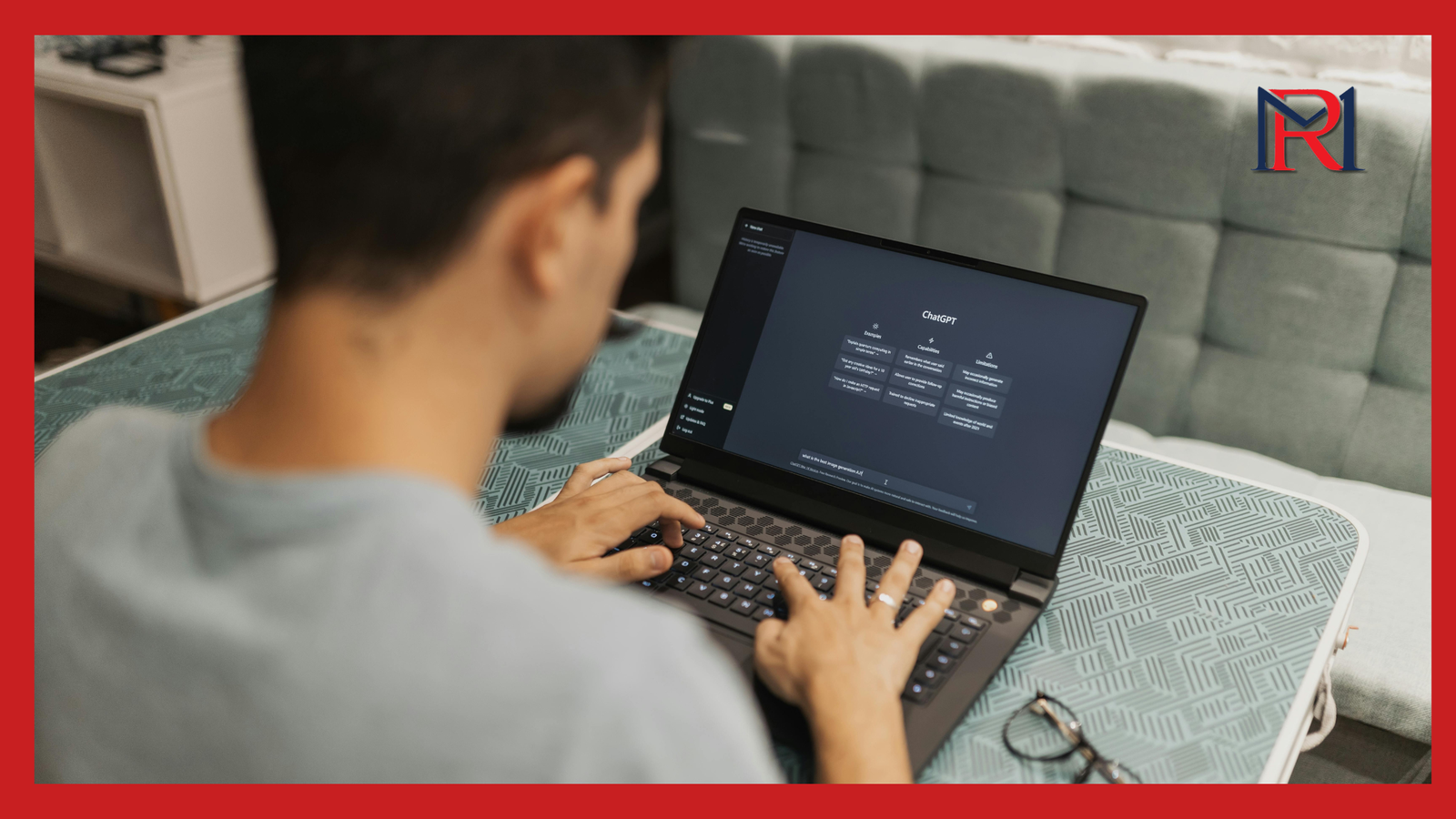
Artificial intelligence is rapidly changing how businesses communicate, document decisions, and interact with legal counsel. It is also creating significant litigation exposure. Businesses are now using platforms like ChatGPT to draft timelines, summarize disputes, organize records, test legal theories, and communicate internally about pending matters. In many cases, those materials become discoverable. In others, they undermine attorney-client privilege entirely.
The issue is no longer whether AI can improve efficiency. The issue is whether businesses understand the legal exposure that follows careless AI use. Courts, regulators, and opposing counsel are paying attention. Businesses that fail to implement clear controls over AI use are creating preventable risk.
One of the clearest examples came in April 2026, when Sullivan & Cromwell publicly apologized after AI-generated hallucinations appeared in a federal court filing, including fabricated citations and inaccurate legal authorities. The incident received national attention and reinforced a growing reality: even sophisticated legal organizations are vulnerable when human oversight breaks down.
The legal issue extends far beyond large firms or court filings. Businesses themselves are now generating dangerous records through unsupervised AI use.
AI Use Can Destroy Attorney-Client Privilege
Attorney-client privilege depends on confidentiality. Once confidential legal information is disclosed to third parties, privilege arguments weaken significantly. Businesses routinely input sensitive information into public AI systems, including:
- internal disputes
- employment issues
- draft legal claims
- contract interpretations
- financial disputes
- timelines related to litigation
That conduct creates immediate exposure.
If a business owner uploads attorney communications or litigation strategy into a public AI platform, opposing counsel may argue the privilege has been waived. Even where privilege survives, the existence of those AI-generated discussions creates costly discovery disputes and additional litigation risk.
This issue resembles traditional spoliation and preservation concerns. Businesses already understand they cannot casually destroy emails, text messages, or electronically stored information once litigation is anticipated. AI interactions now belong in that same category.
Failure to control AI use can create a record your opponent would never otherwise possess.
AI-Generated Statements Create Discoverable Evidence
Businesses frequently treat AI systems like private brainstorming tools. They are not. AI-generated conversations may contain:
- inaccurate factual assumptions
- speculative admissions
- contradictory timelines
- exaggerated statements
- unsupported legal conclusions
Those statements may later appear inconsistent with sworn testimony or formal litigation positions.
Businesses must understand that AI systems are not protected legal workspaces. They are third-party platforms subject to retention policies, security concerns, and discoverability arguments.
Attorney Work Product Requires Human Judgment
The Sullivan & Cromwell incident also exposed a second issue: overreliance on machine-generated legal drafting.
Courts expect attorneys to independently verify legal authorities, factual assertions, and procedural arguments. Federal Rule of Civil Procedure 11 imposes affirmative obligations on attorneys submitting filings to the court. AI-generated hallucinations do not excuse noncompliance. This issue ultimately becomes one of accountability and attention.
Businesses often assume paying significantly higher hourly rates guarantees greater care and stronger legal work product. That assumption deserves scrutiny. If a client is paying two or three times more per hour while substantive drafting is delegated primarily to junior personnel or machine-assisted systems, the value proposition changes dramatically.
Hands-on partner involvement directly affects accuracy, litigation strategy, and risk exposure. There is a substantial difference between:
- partner-reviewed work product, and
- partner-created work product
That distinction affects accuracy, litigation strategy, and risk management. Businesses should ask direct questions regarding:
- who drafts filings
- who reviews legal authorities
- whether AI systems are used in substantive drafting
- how legal research is verified
- how privilege-sensitive information is protected
The legal profession is under increasing pressure to balance efficiency against reliability. Courts are making clear that speed does not excuse inaccuracy.
Businesses Need Immediate AI Governance Policies
AI governance is no longer optional. Businesses should implement written internal controls immediately. Those controls should address:
- employee use of public AI systems
- confidentiality restrictions
- litigation-related AI use
- preservation obligations
- approval requirements for sensitive uploads
- retention policies involving AI-generated materials
Businesses without AI policies are allowing employees to independently create legal exposure with little oversight. That exposure includes:
- privilege waiver
- regulatory scrutiny
- discovery disputes
- inaccurate records
- inconsistent factual positions
- cybersecurity concerns
Courts are already dealing with these issues.
Protect Privilege Before Litigation Starts
Artificial intelligence is now part of the evidentiary landscape. Businesses that treat AI as an informal productivity tool without legal safeguards are creating unnecessary exposure.
Privilege can be waived. Harmful records can be generated. Inaccurate legal work product can reach the courtroom.
Businesses need legal counsel that prioritizes accuracy, direct partner involvement, and careful legal analysis over volume-driven drafting models and unchecked automation.
Rodriguez-McCloskey, PLLC, provides strategic legal counsel focused on litigation readiness, privilege protection, AI governance, and risk mitigation. Contact us today to evaluate whether your business practices and legal workflows are adequately protected against emerging AI-related exposure.
FAQs
- Can using ChatGPT waive attorney-client privilege?
Potentially yes. Uploading confidential legal communications or litigation strategy into public AI systems may weaken privilege protections and create discovery disputes.
- Are AI-generated conversations discoverable in litigation?
They may be. Courts increasingly treat AI-generated materials as electronically stored information subject to preservation and discovery obligations.
- Can attorneys rely on AI-generated legal research?
Not without independent verification. Courts have already criticized and sanctioned attorneys for submitting inaccurate AI-generated citations and legal authorities.
- Should businesses create written AI use policies?
Yes. Written governance policies help reduce confidentiality breaches, inconsistent records, and litigation exposure.
- Why does direct partner involvement matter in legal work product?
Direct attorney involvement reduces the risk of inaccurate analysis, poorly supervised drafting, and AI-related errors reaching court filings or negotiations.
- Can poor AI controls create regulatory exposure?
Yes. Weak controls involving confidential information, recordkeeping, or consumer data may trigger regulatory scrutiny and enforcement actions.
